

acid etched glass suppliers
Understanding the Pricing of SS Butterfly Valves Butterfly valves are crucial components in various industrial applications, offering reliable control of fluid flow. Among the diverse types of butterfly valves, stainless steel (SS) butterfly valves stand out due to their durability and resistance to corrosion. Understanding the factors that influence the price of SS butterfly valves can help businesses make informed purchasing decisions. Materials and Construction The primary reason for the higher cost of SS butterfly valves compared to those made from other materials lies in the stainless steel itself. Stainless steel is renowned for its ability to withstand harsh environments, making it ideal for industries that involve corrosive substances. The grade of stainless steel used—commonly 304 or 316—can significantly affect the price. For instance, grade 316, which contains molybdenum, offers better resistance to pitting and can withstand more aggressive chemicals, thus commanding a higher price. Size and Specifications The size of the valve is another key determinant of its price. Larger valves require more materials and more complex manufacturing processes, which can escalate costs. Additionally, the specifications of the valve, including pressure ratings and connection types (flanged, lugged, or threaded), can also impact pricing. Higher pressure ratings generally lead to more robust and thus more expensive designs. Manufacturer and Brand Reputation Another significant factor in pricing is the manufacturer’s reputation. Established brands with a track record of quality and reliability may charge a premium for their products. Customers often prefer these well-known brands despite higher prices because they are associated with consistent performance and quality assurance. On the other hand, lesser-known brands may offer competitive pricing to gain market share, but buyers should consider the trade-off between cost and reliability. ss butterfly valve price Market Demand and Economic Factors The broader economic context also plays a role in the pricing of SS butterfly valves. Fluctuations in stainless steel prices, driven by global market trends, can lead to increased costs for manufacturers, which they, in turn, pass on to consumers. Moreover, when demand for industrial valves rises—due to infrastructural development or growth in sectors like oil and gas—it can drive prices up. Customization and Additional Features Customization options can also significantly enhance the cost of butterfly valves. Businesses may require specific features, such as electric actuators for automated control or special coatings for enhanced durability. These customizations add to the base price and should be factored into budget considerations. Maintenance and Lifecycle Costs While the initial purchase price of an SS butterfly valve is important, it is also essential to consider maintenance and lifecycle costs. Stainless steel valves typically require less maintenance than their counterparts made from inferior materials, leading to long-term savings. Buyers should evaluate the total cost of ownership, which includes initial investment, maintenance, and potential downtime costs due to valve failure. Conclusion In summary, the pricing of SS butterfly valves is influenced by various factors, including material grade, size, manufacturer reputation, market demand, and any custom features. A thorough understanding of these elements can aid industries in making strategic purchasing decisions. By balancing initial costs with long-term reliability and performance, businesses can ensure they select the right valves for their specific needs and applications.
about
acid etched glass suppliers
The Pivotal Role of Truss Nail Plate Factories in Modern Construction In the world of construction and engineering, truss nail plate factories play a vital role in ensuring the stability and durability of structures. These specialized facilities manufacture an essential component known as truss nail plates, which are instrumental in the assembly of wooden roof and floor trusses. A truss nail plate is a prefabricated metal connector that binds together wooden truss members using nails or screws. It's a key innovation in modern construction, offering a more efficient and secure method compared to traditional mortise and tenon joinery. The production process in these factories is both precise and streamlined, reflecting the precision required for such a critical task. Truss nail plate factories typically operate with state-of-the-art machinery, designed to produce nail plates in large quantities with consistent quality. The process begins with raw steel sheets, which are cut, shaped, and punched to create the specific patterns required for various truss designs. The plates are then coated with a rust-resistant material to ensure longevity, even in harsh environmental conditions. These factories don't just manufacture nail plates; they also contribute to architectural design and structural engineering. They collaborate closely with architects, engineers, and builders to understand specific project requirements, providing customized solutions that cater to diverse construction needs. This collaboration often leads to the development of innovative truss designs that optimize space, enhance structural integrity, and reduce construction time This collaboration often leads to the development of innovative truss designs that optimize space, enhance structural integrity, and reduce construction time This collaboration often leads to the development of innovative truss designs that optimize space, enhance structural integrity, and reduce construction time This collaboration often leads to the development of innovative truss designs that optimize space, enhance structural integrity, and reduce construction time truss nail plate factory . Moreover, truss nail plate factories contribute significantly to the economy and job market. They provide employment opportunities for skilled workers, from machine operators to engineers, and indirectly support the timber and construction industries. Their operations also foster local economic growth, as they often source materials and services from nearby suppliers. In terms of sustainability, truss nail plate factories have a role to play too. By facilitating the mass-production of trusses, they enable more efficient use of wood resources, reducing waste and minimizing environmental impact. Furthermore, the use of trusses can lead to lighter structures, requiring less foundation work and, potentially, fewer resources. In conclusion, truss nail plate factories are not just manufacturing centers; they are hubs of innovation, collaboration, and efficiency in the construction industry. They drive progress, facilitate safer and more sustainable building practices, and contribute to the economic well-being of communities. As the construction sector continues to evolve, the importance of these factories in shaping our built environment will only continue to grow.
-

High quality industrial productsagement

High quality industrial products
View Details -

Meet the diverse needs of customers

Meet the diverse needs of customers
View Details -

Strict quality control

Strict quality control
View Details -

Top raw materials

Top raw materials
View Details -

Trusted supplier

Trusted supplier
View Details
Our application

news and information
Wasserdrückregelventil - Effiziente Steuerung für Ihre Wasserversorgung
Druckregelventile für Wasseranwendungen Druckregelventile spielen eine entscheidende Rolle in der Wa
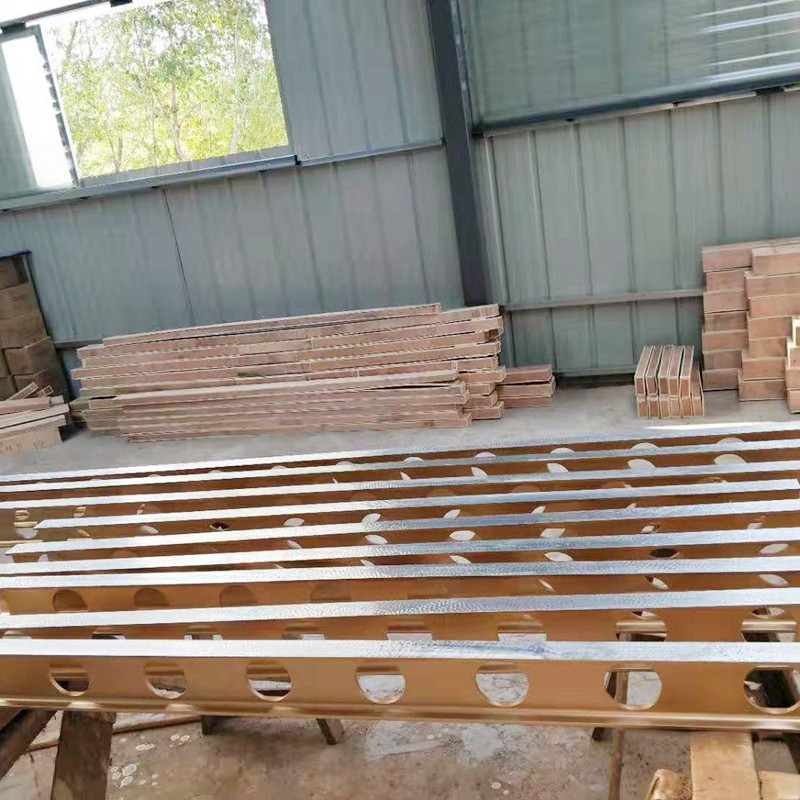
Válvula de nível de água para controle eficiente em sistemas hidráulicos
A Importância da Válvula de Nível de Água No contexto da engenharia hidráulica e do gerenciamento de
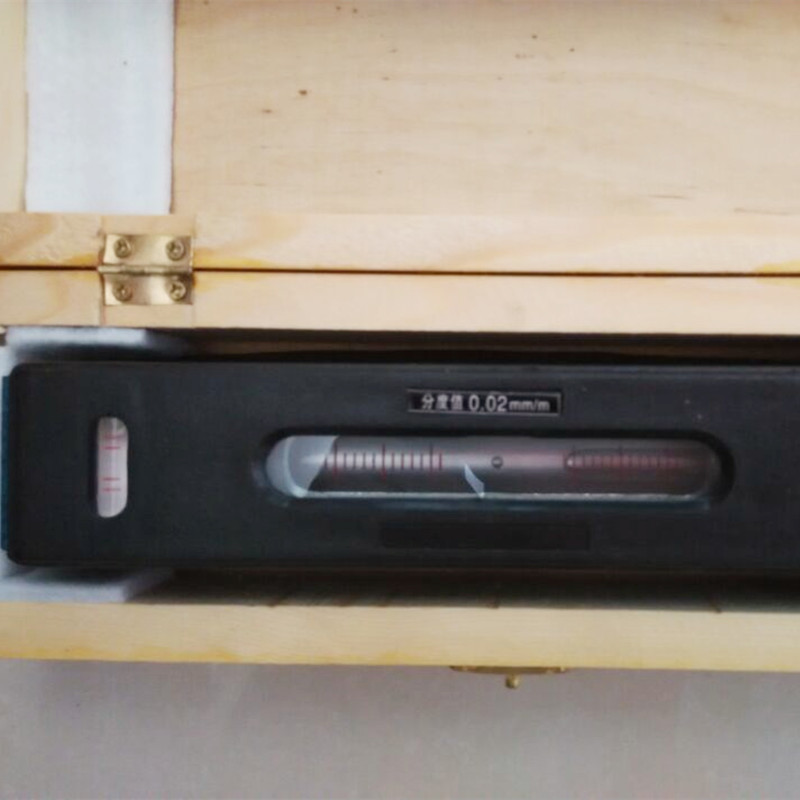
workbench welding table
The Importance of Workbench Welding Tables A workbench welding table is an essential piece of equipm
 English